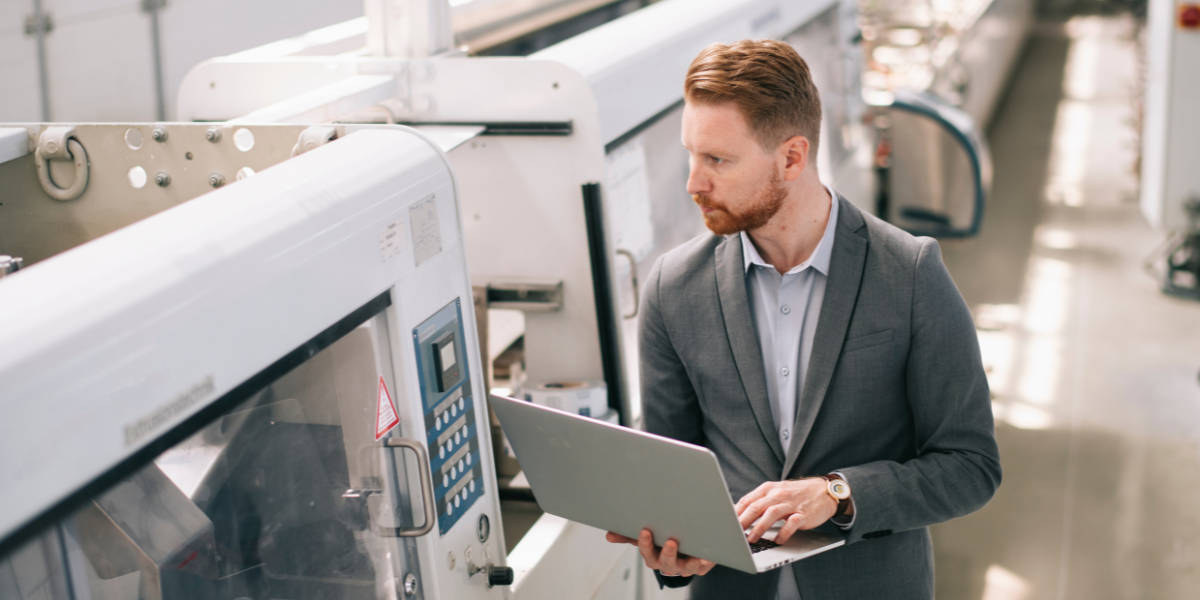
How HR Executives and Operations Managers Can Take Their Careers to the Next Level in Manufacturing
Manufacturing continues to evolve, driven by automation, workforce shifts, and global supply chain dynamics. For HR executives and operations managers, this changing landscape offers significant opportunities for professional growth if approached with the right mindset and strategy. These leaders are not only responsible for smooth operations and effective workforce management, but they also play a critical role in shaping company culture, driving productivity, and ensuring long-term success.
The challenge is that career advancement in manufacturing isn’t just about working harder; it’s about working smarter. It involves building influence, mastering new technologies, expanding professional networks, and understanding how to connect operational excellence with human capital strategies.
HR executives must be able to align talent acquisition, retention, and training with the organization’s production goals. Operations managers, on the other hand, need to continuously refine processes, improve efficiency, and foster collaboration between teams. Both roles benefit from strategic thinking, adaptability, and strong leadership.
Whether you’re aiming for a senior leadership role or seeking to make a bigger impact in your current position, there are proven approaches that can help you stand out. By focusing on skill development, relationship building, and innovation, you can position yourself as a key driver of success in the manufacturing sector.
1. Strengthen Cross-Department Collaboration
In manufacturing, HR and operations often operate in separate spheres but the most effective leaders bridge that gap. HR executives who understand production goals can tailor hiring and training to match operational needs. Operations managers who value HR’s input can reduce turnover and improve productivity. Regular joint meetings, shared KPIs, and open communication channels foster stronger alignment between people strategies and production outcomes.
2. Stay Ahead with Technology Skills
Manufacturing increasingly relies on data analytics, automation, and workforce management software. HR executives benefit from learning about applicant tracking systems, digital onboarding tools, and performance analytics platforms. Operations managers should be proficient in systems like ERP software, predictive maintenance tools, and real-time production monitoring. Staying informed about industry-specific tech trends not only boosts efficiency but also makes you indispensable to decision-making teams.
3. Build Leadership Presence
Career progression in manufacturing often depends on your ability to influence and inspire. For HR leaders, this means communicating how talent strategies impact profitability. For operations managers, it means championing process improvements that benefit the entire company. Speaking confidently in meetings, leading cross-functional projects, and mentoring others strengthen your leadership profile and position you for senior roles.
4. Develop Industry-Specific Expertise
Manufacturing is not one-size-fits-all. Specializing in your company’s niche, whether it’s automotive, aerospace, food production, or electronics, gives you a competitive advantage. HR executives can focus on industry-specific hiring trends and compliance requirements. Operations managers can refine skills in supply chain optimization, lean manufacturing, or quality control specific to their sector. This expertise makes you the go-to person for strategic decisions.
5. Foster a Culture of Continuous Improvement
Whether it’s process efficiency or workforce engagement, continuous improvement should be a shared goal. HR executives can implement feedback systems, professional development programs, and employee recognition initiatives. Operations managers can introduce lean practices, eliminate waste, and encourage team-led innovation. When both roles work together toward improvement, it creates a high-performing environment that leadership notices.
6. Expand Your Professional Network
Strong industry connections open doors to career opportunities and new ideas. Joining manufacturing associations, attending trade shows, and participating in cross-company forums can expand your reach. HR leaders gain insights into recruitment best practices, while operations managers learn from other production experts. Networking not only keeps you informed but also raises your visibility in the industry.
Advancing your career as an HR executive or operations manager in manufacturing requires more than just meeting daily responsibilities; it’s about building influence, expanding skills, and strategically positioning yourself for growth. By fostering collaboration between departments, staying current with technology, developing leadership presence, specializing in your industry, driving continuous improvement, and expanding your professional network, you can make a lasting impact on your organization and your career trajectory.
Manufacturing is an industry where operational efficiency and workforce engagement go hand in hand. Those who can connect these two areas become invaluable assets to their companies. If you’re ready to strengthen your leadership role and pursue greater opportunities in manufacturing, Your Talent Team can provide guidance and resources tailored to your career goals. Reach out to us today and position yourself as a leader who drives both people and production success.
More Industry Insights